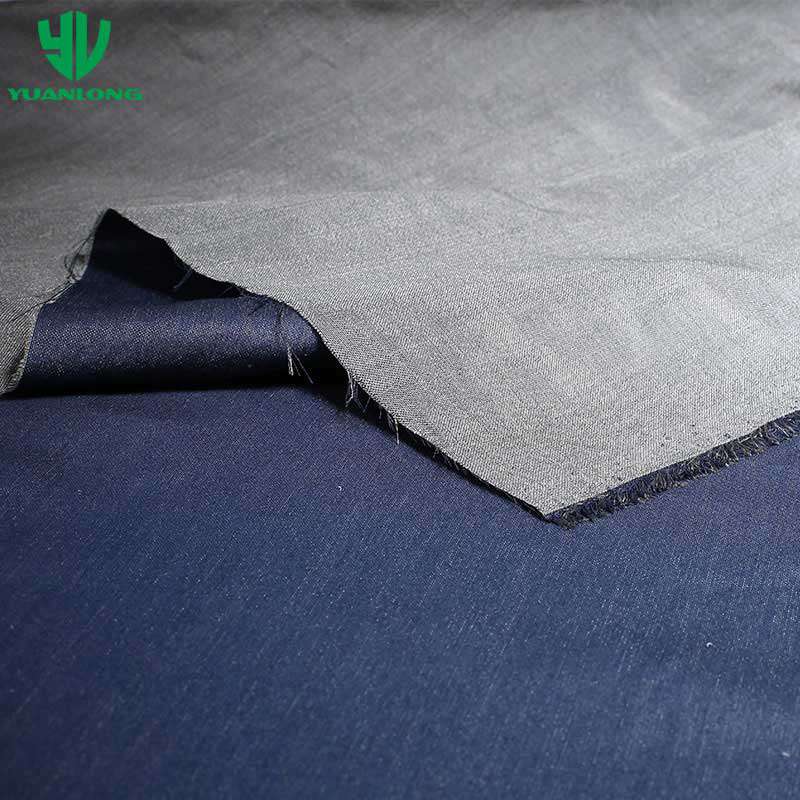
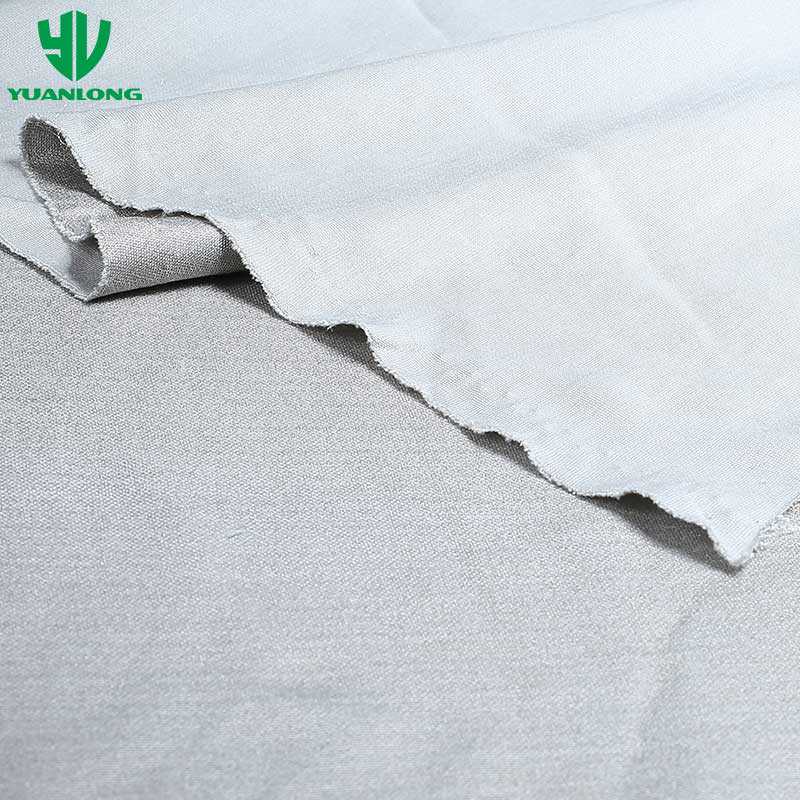
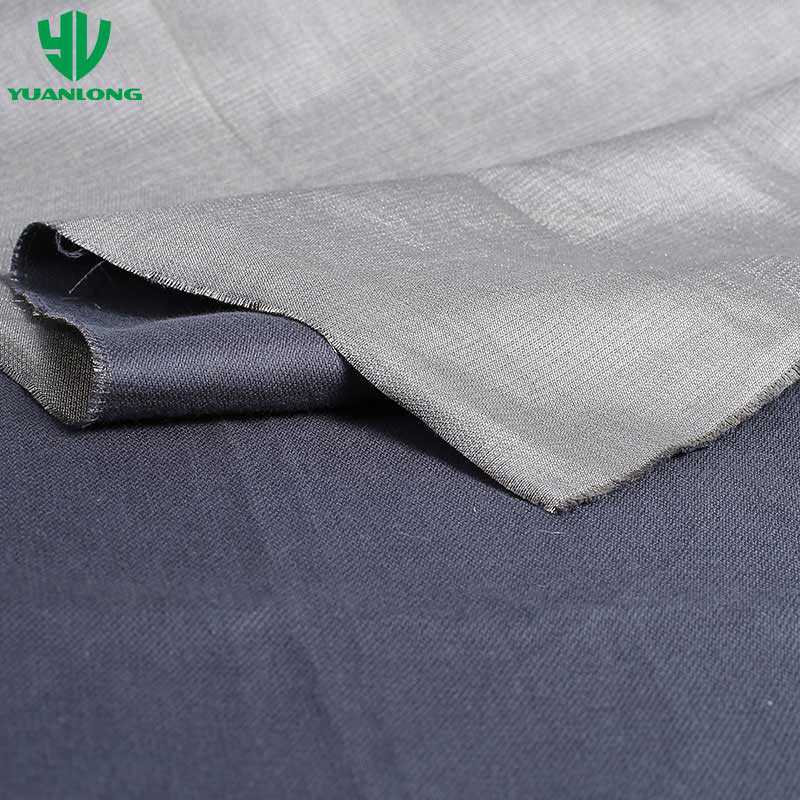
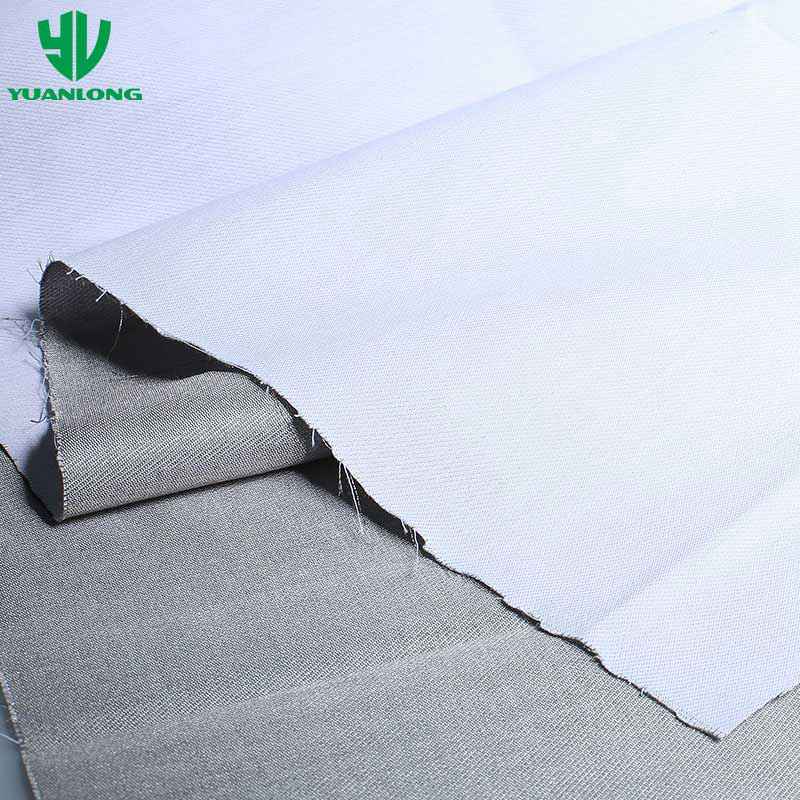
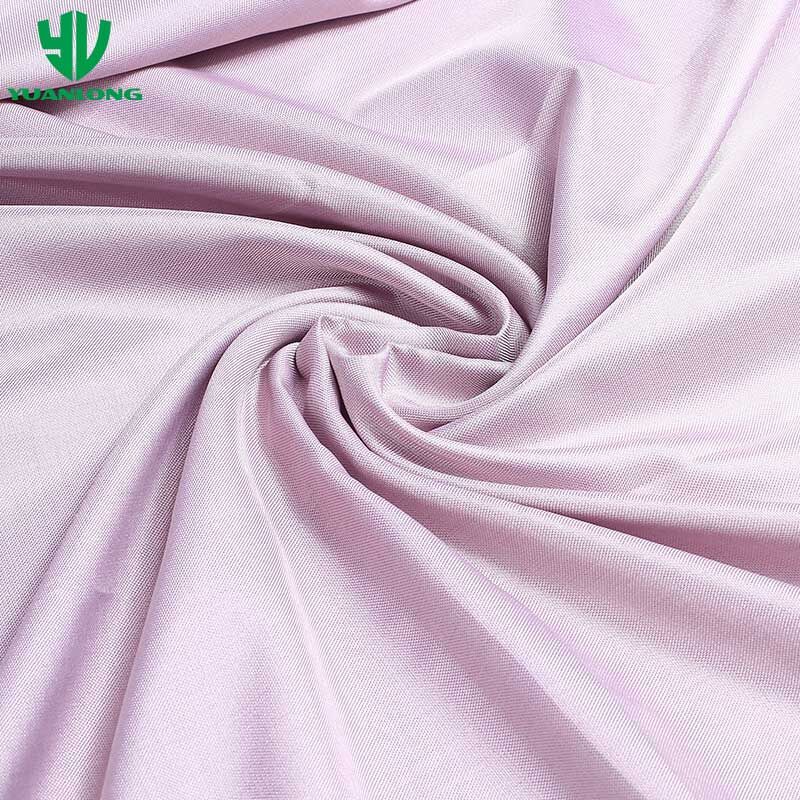
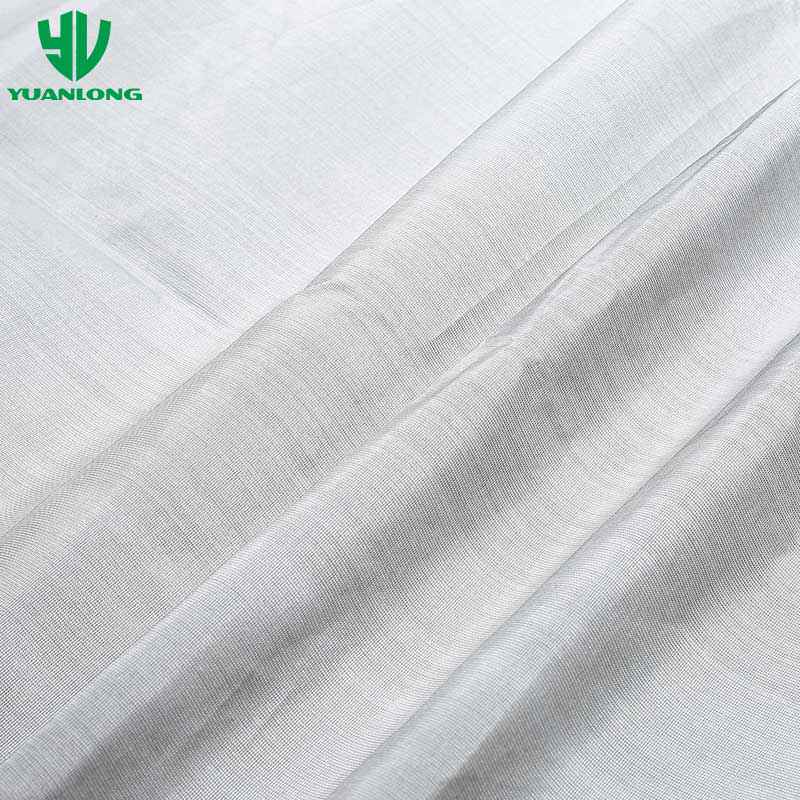
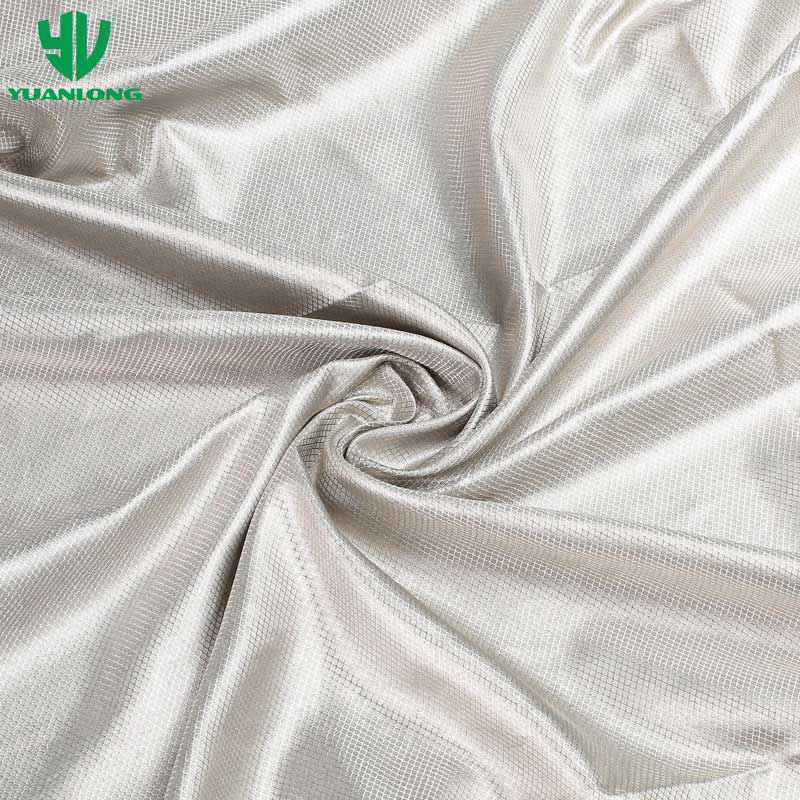
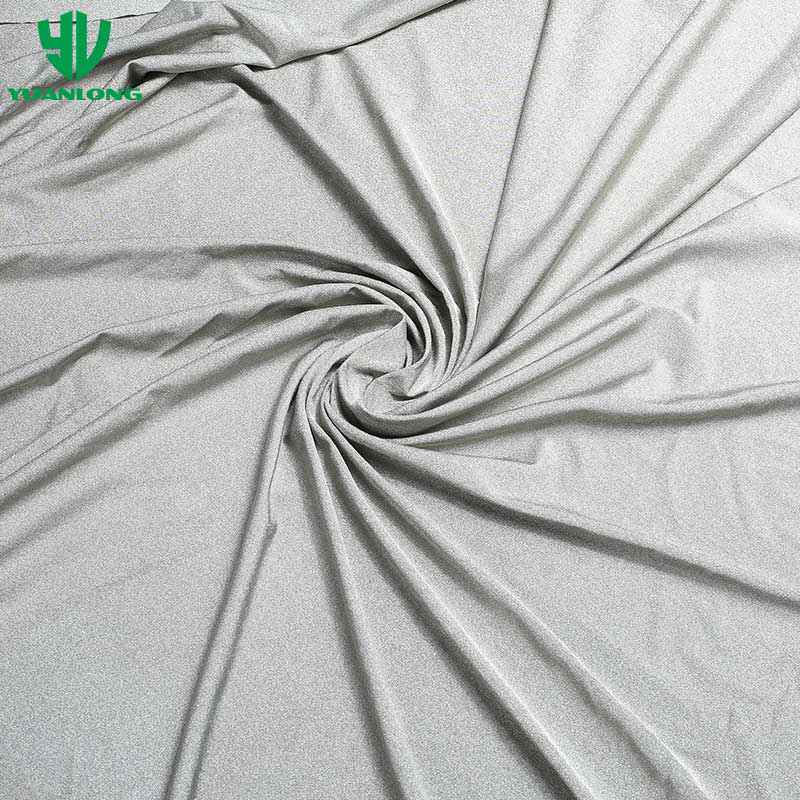
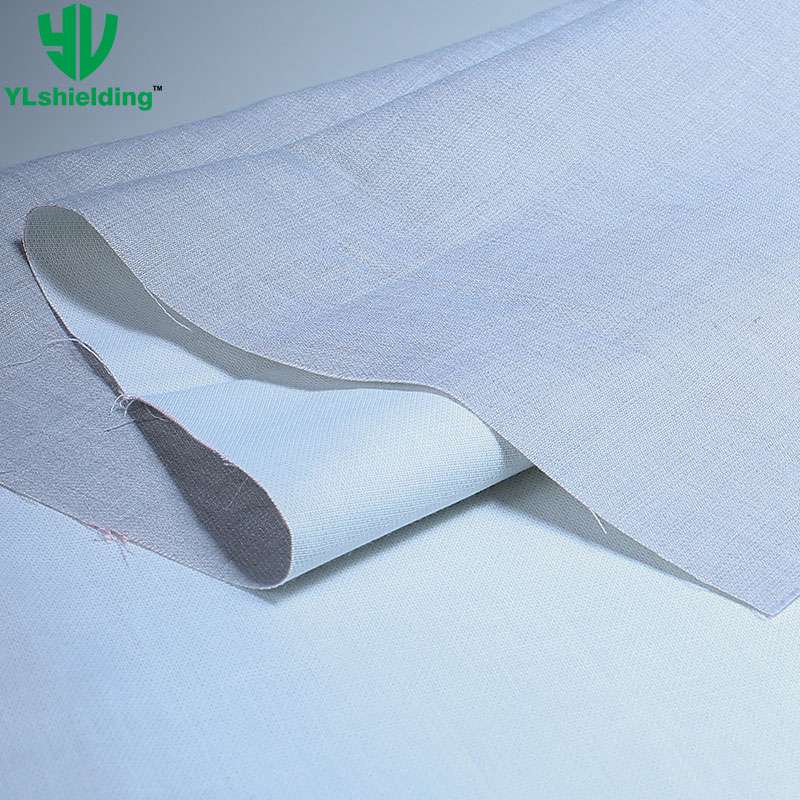
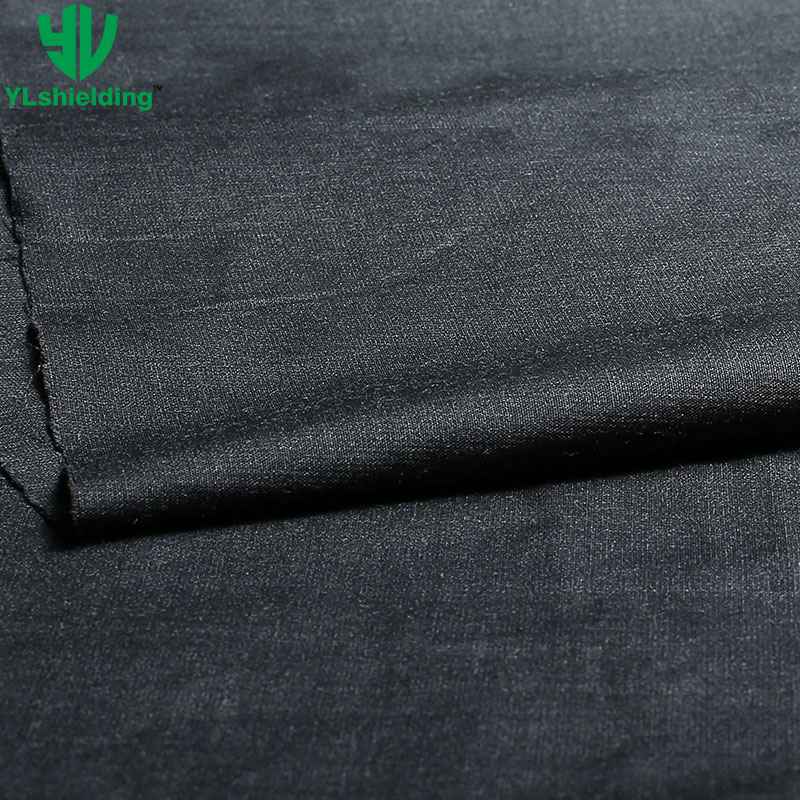
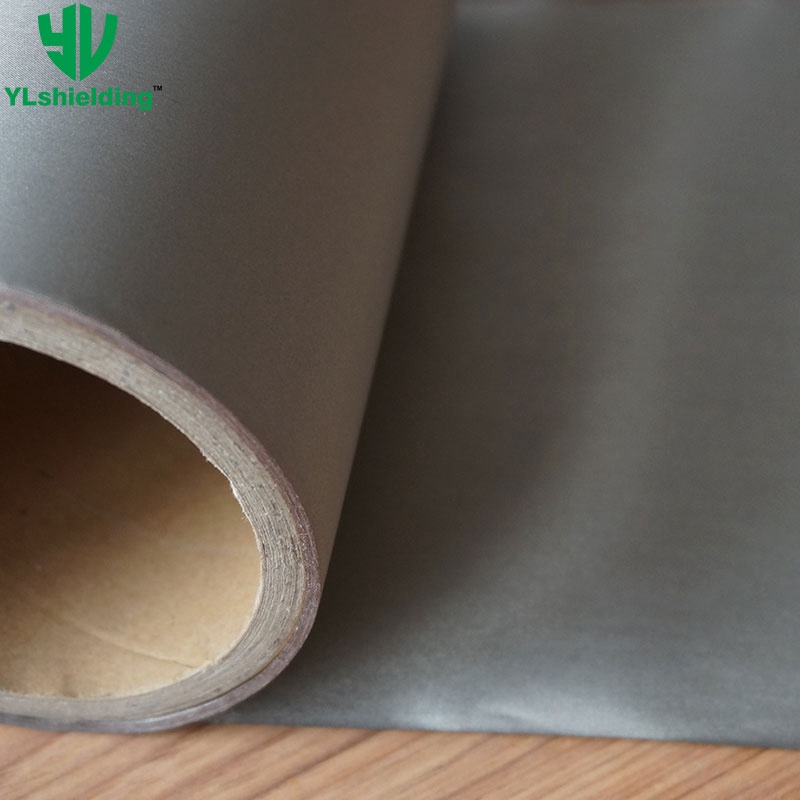
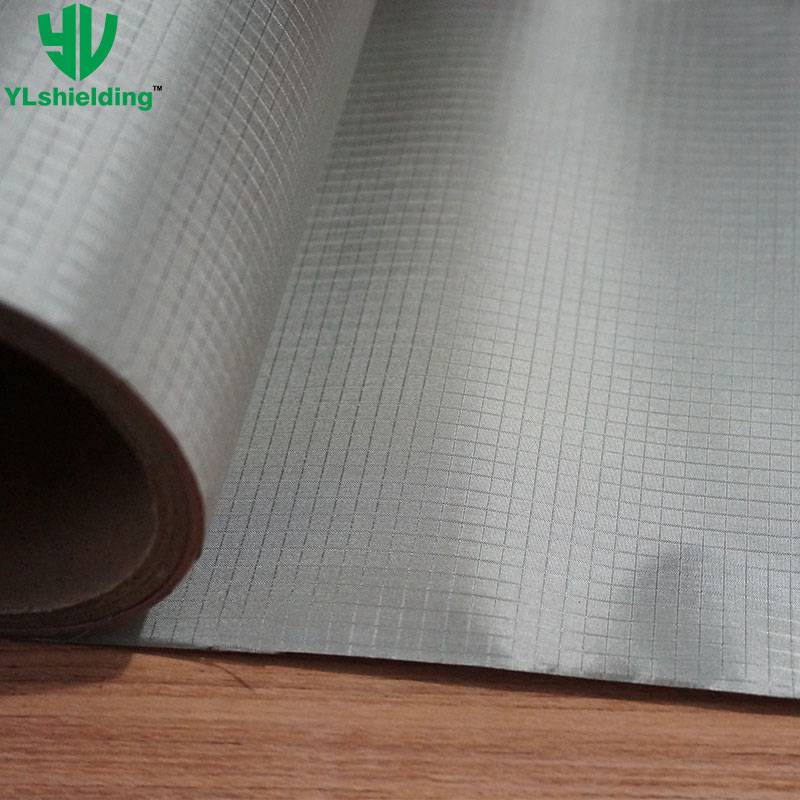
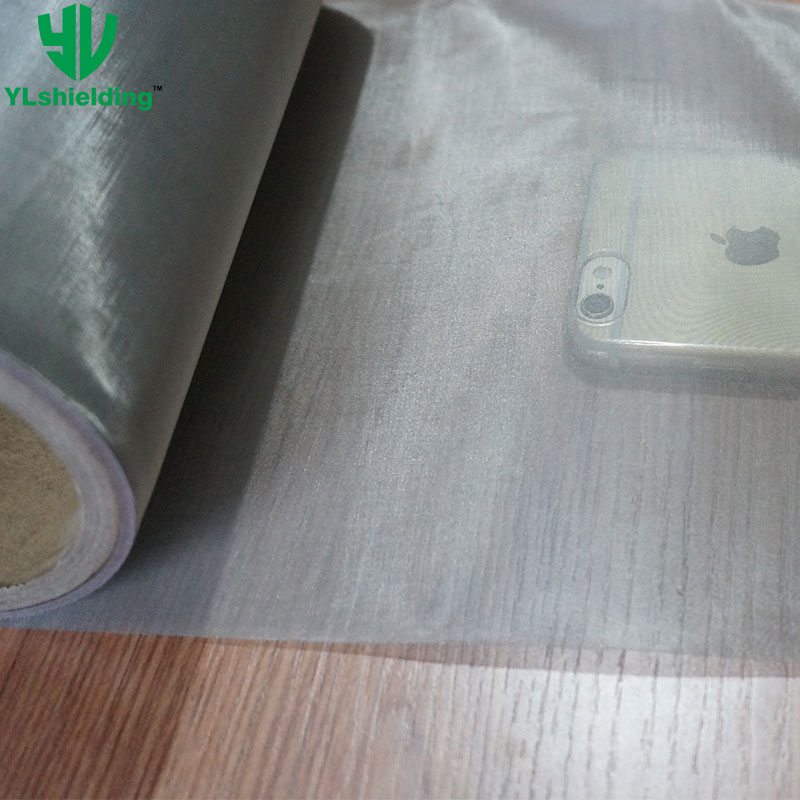
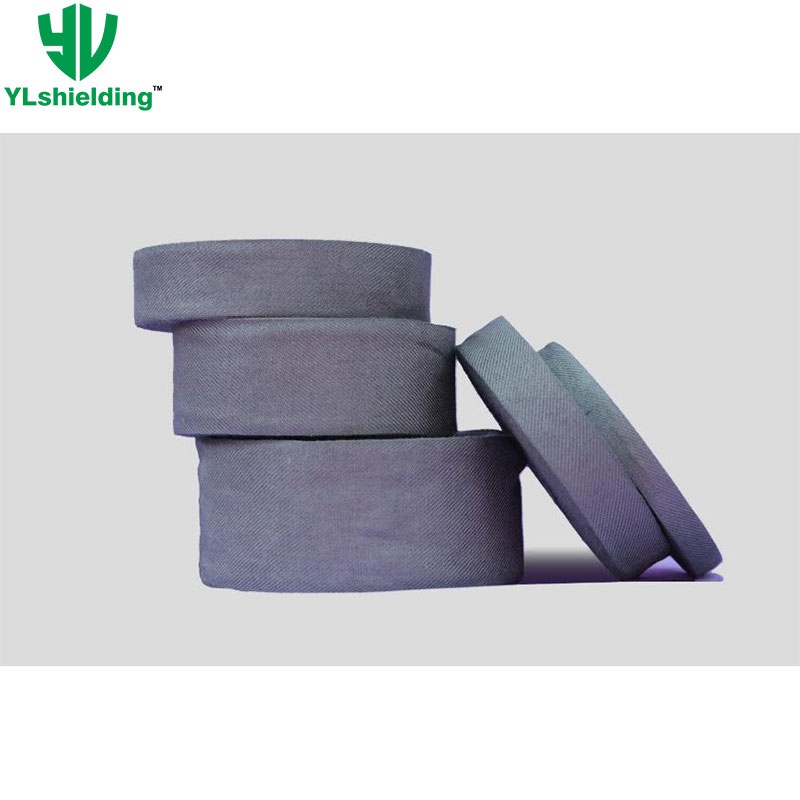
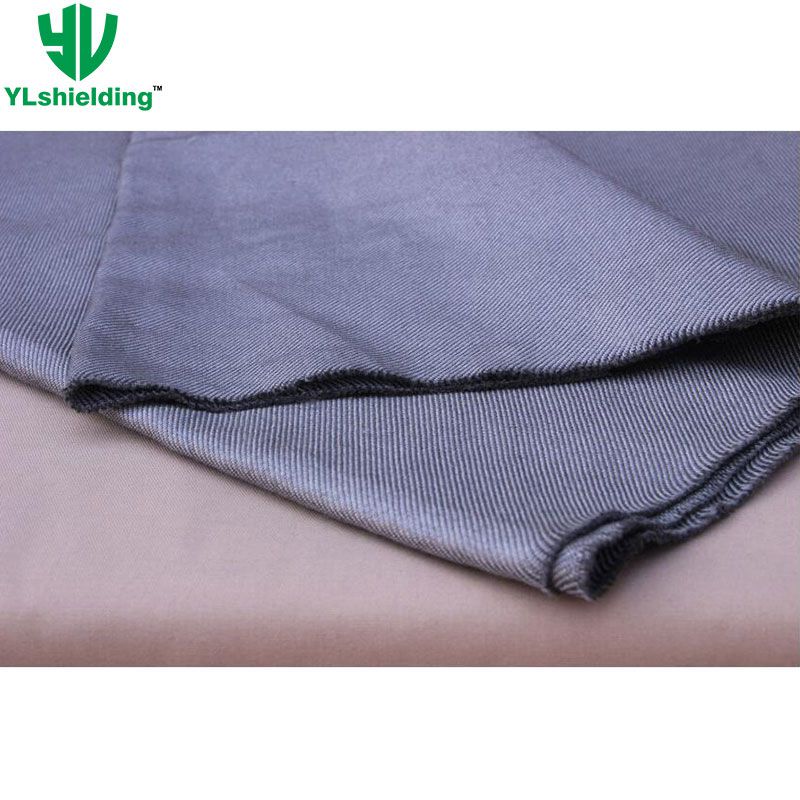
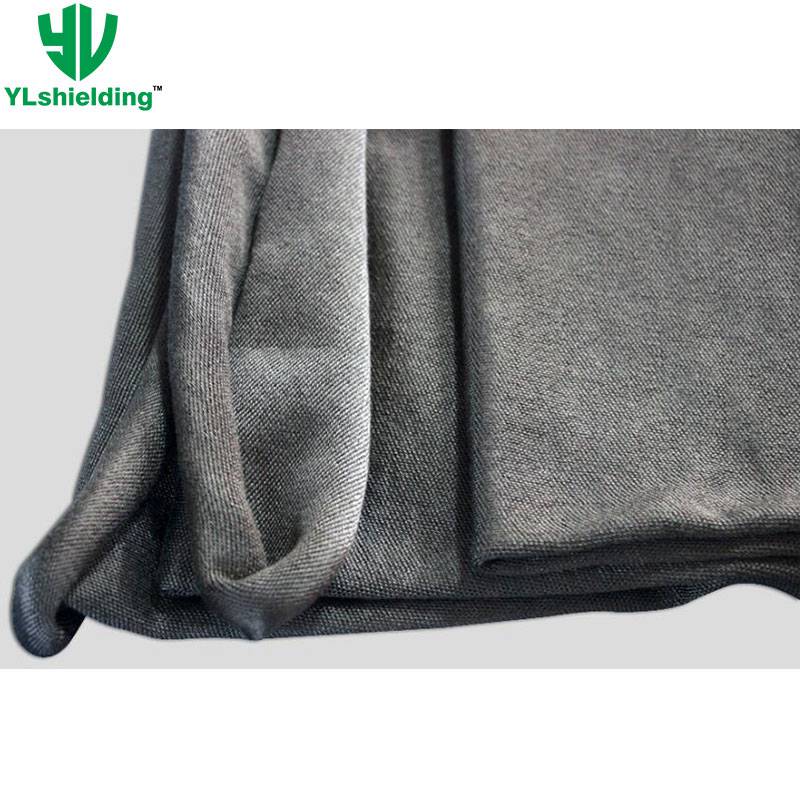
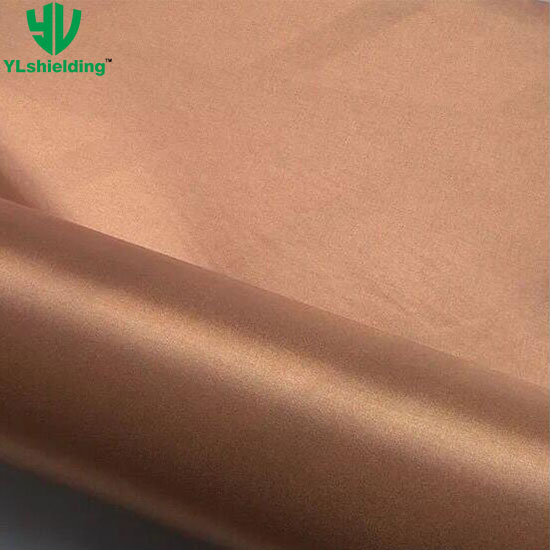
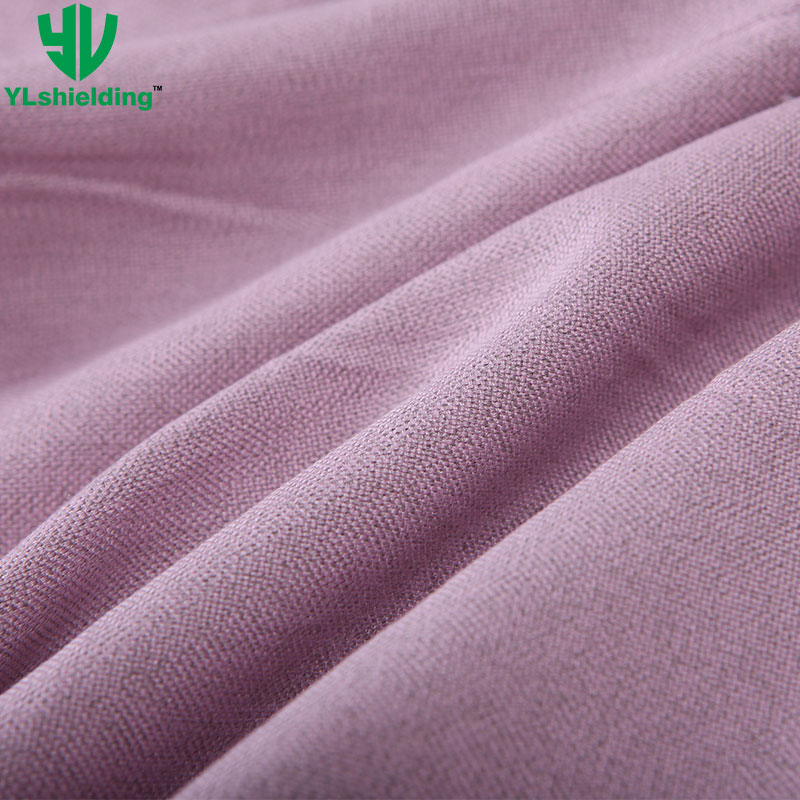
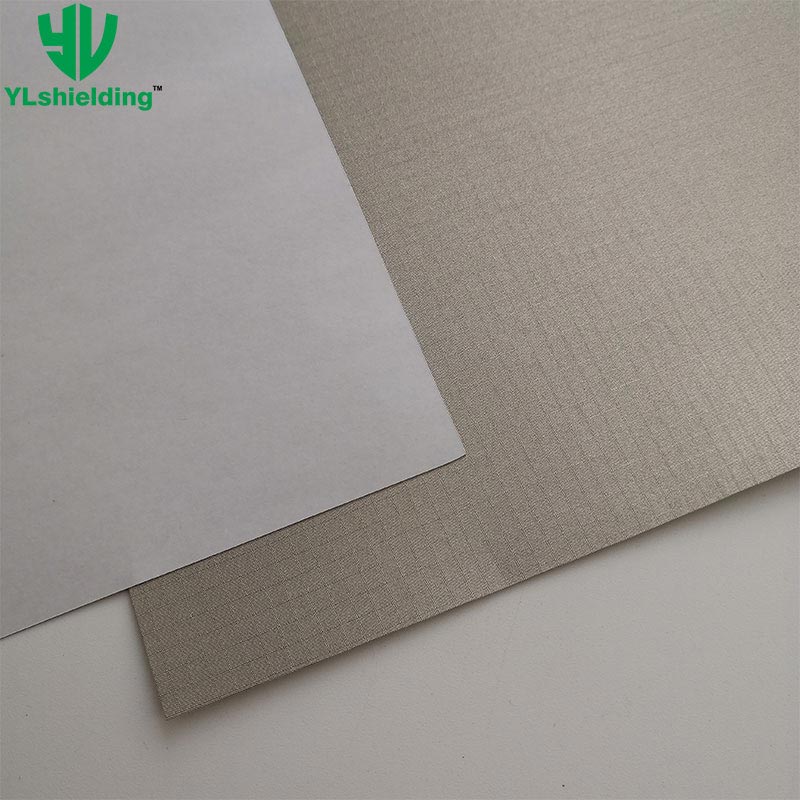
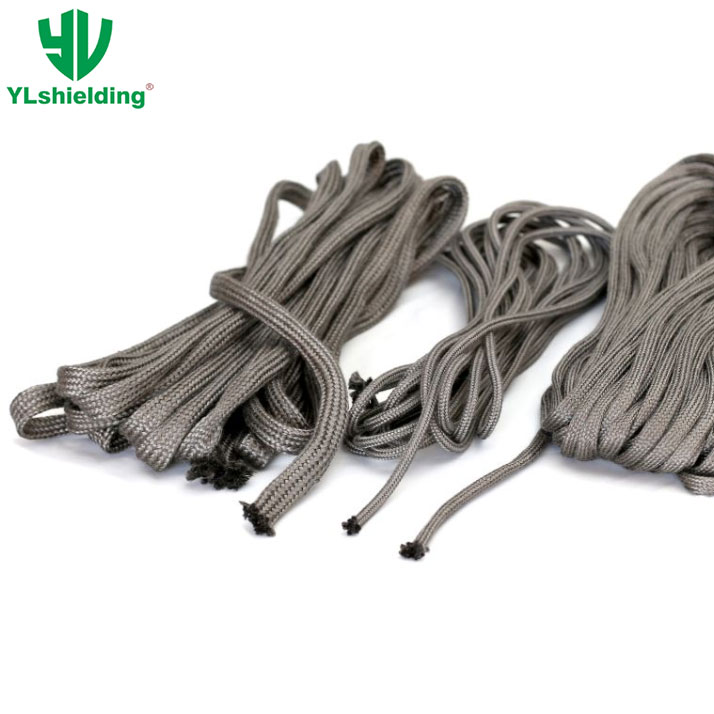
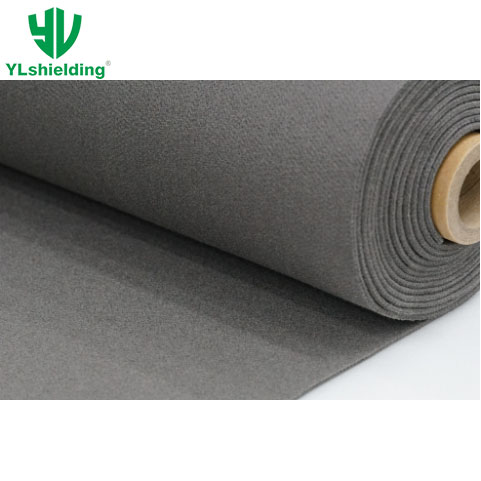
Struggling to find a material that won't corrode, burn, or tear? The wrong choice leads to costly downtime and safety risks. Stainless steel fabric offers unmatched durability and resilience, widely applicable as mold cladding materials, heat resistant buffer materials in glass product manufacturing process, alongside other industrial scenarios.
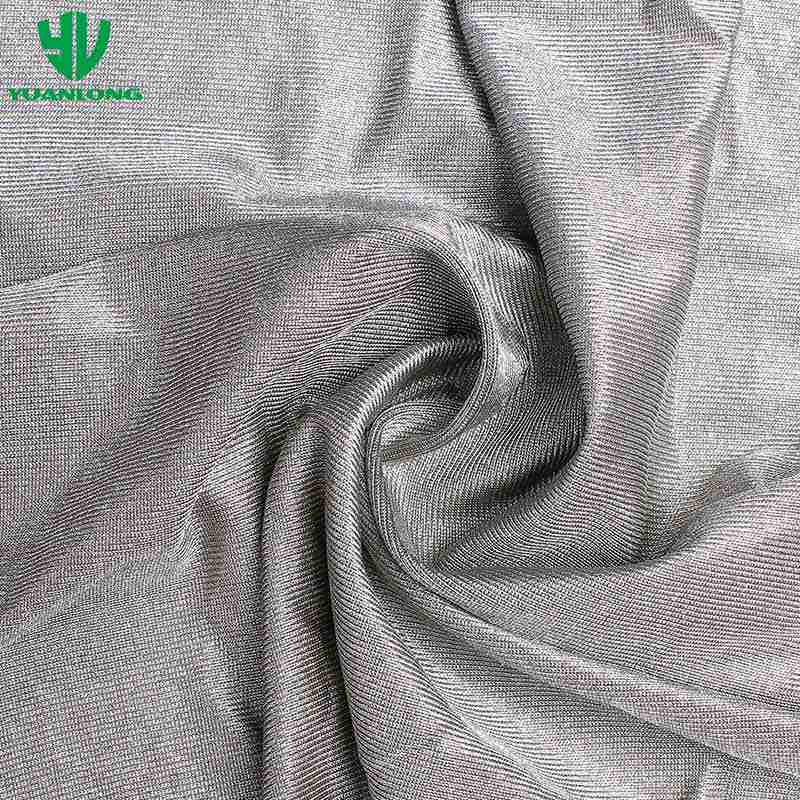
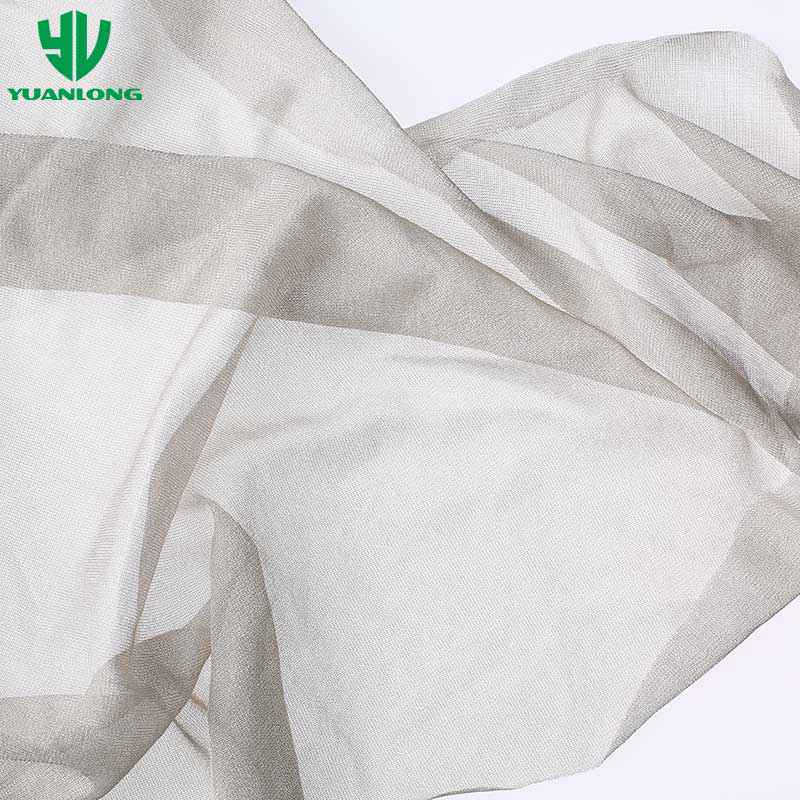
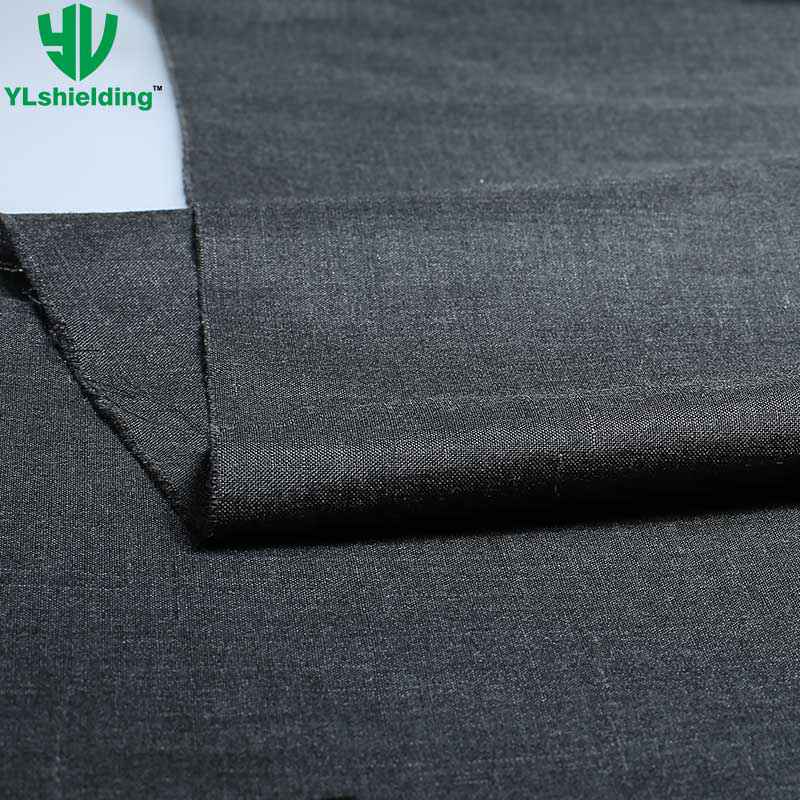
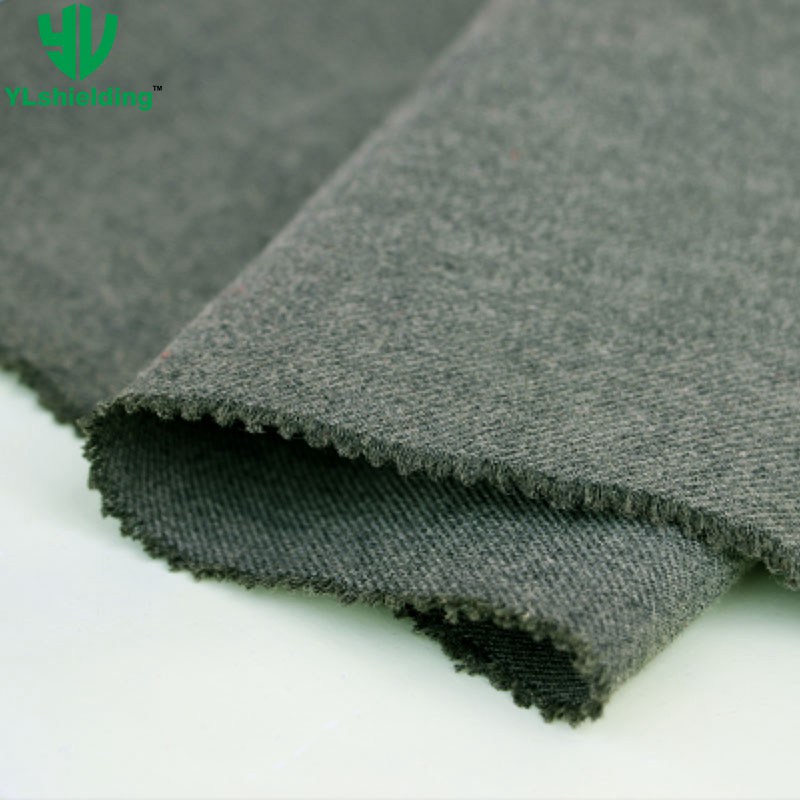
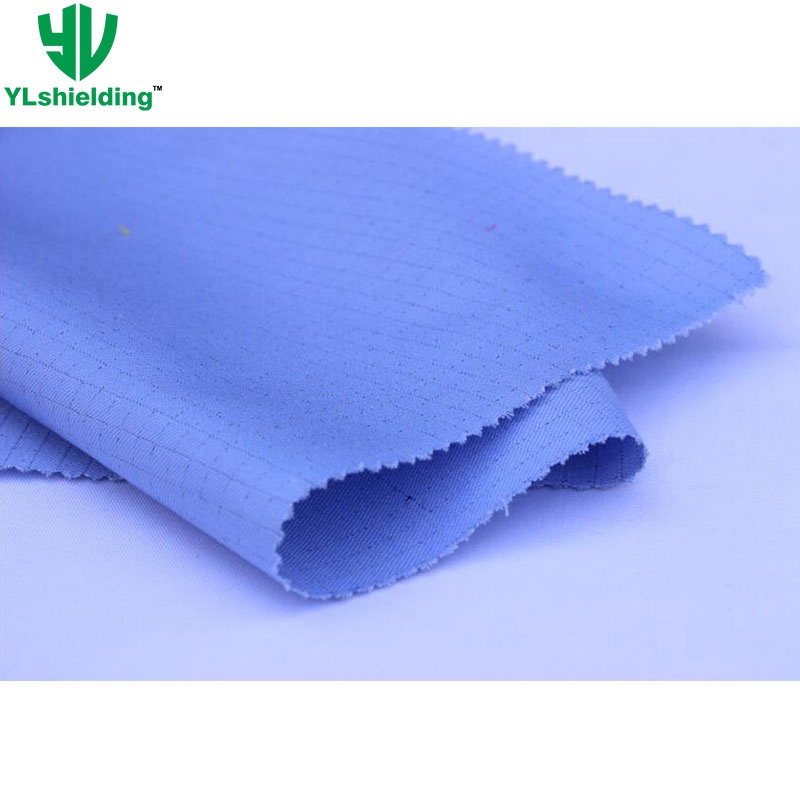
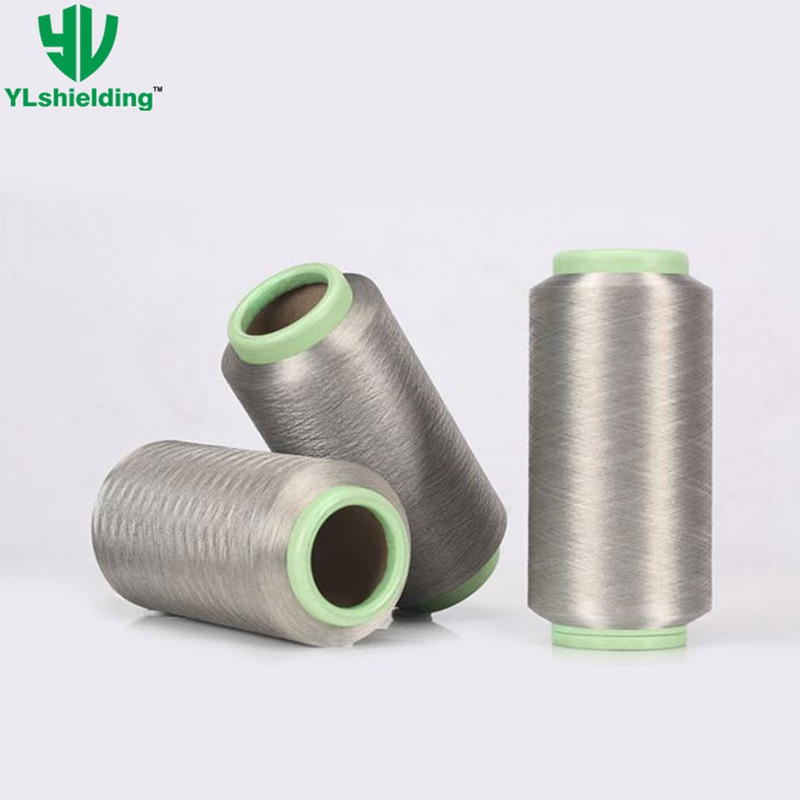
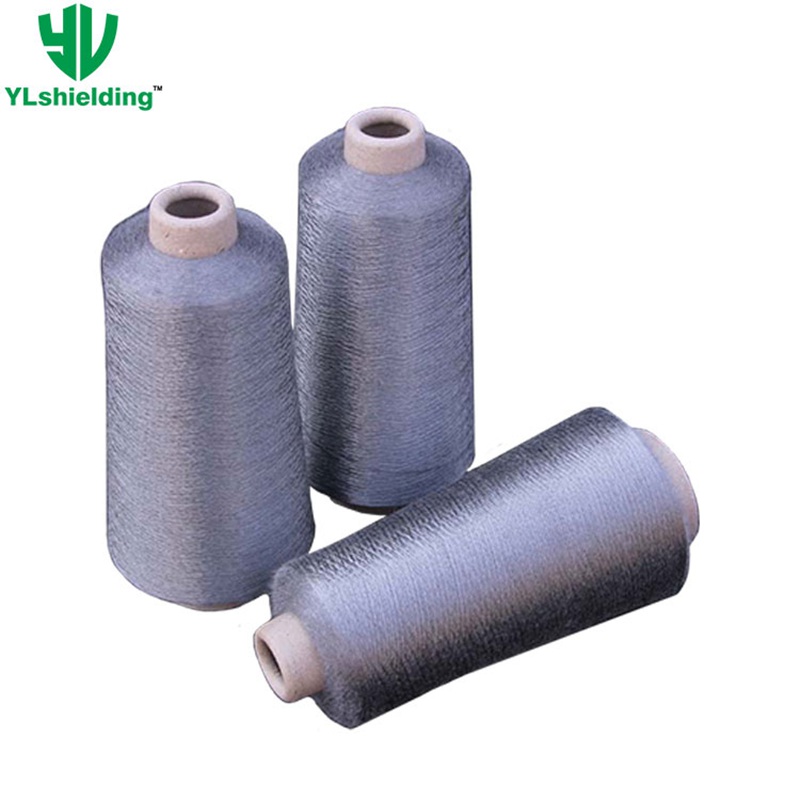
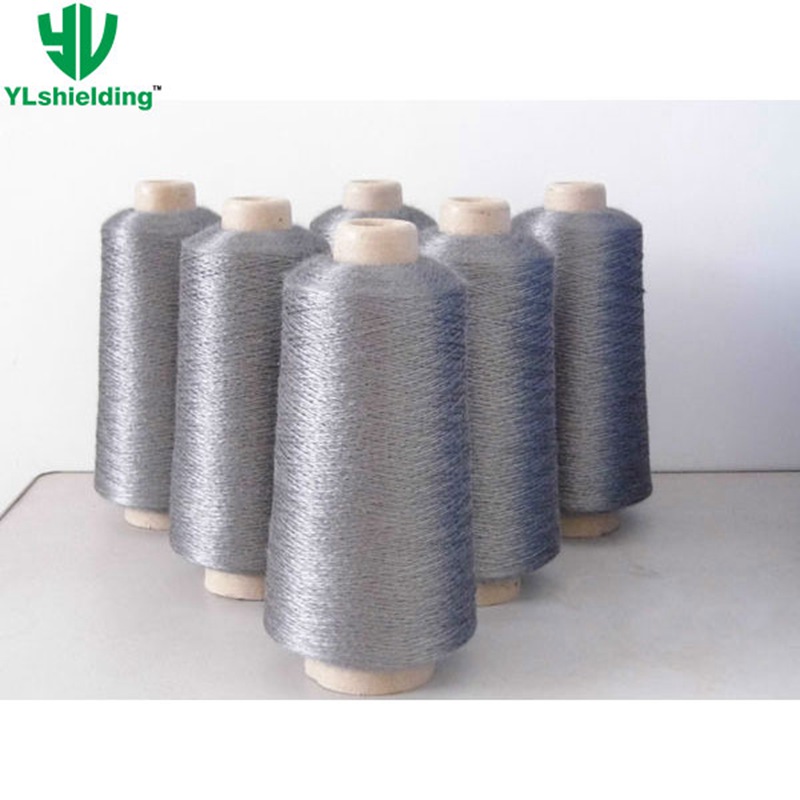
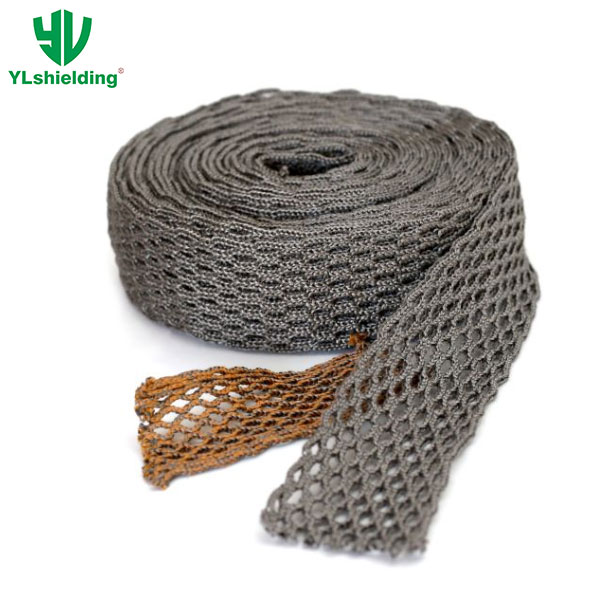
Stainless steel fabric is a woven or knitted material made from fine steel fibers. It provides excellent resistance to heat, corrosion, and abrasion. Its unique combination of strength and flexibility makes it a superior choice for filtration, architectural applications, mold cladding materials and heat resistant buffer materials used throughout the glass product manufacturing process.
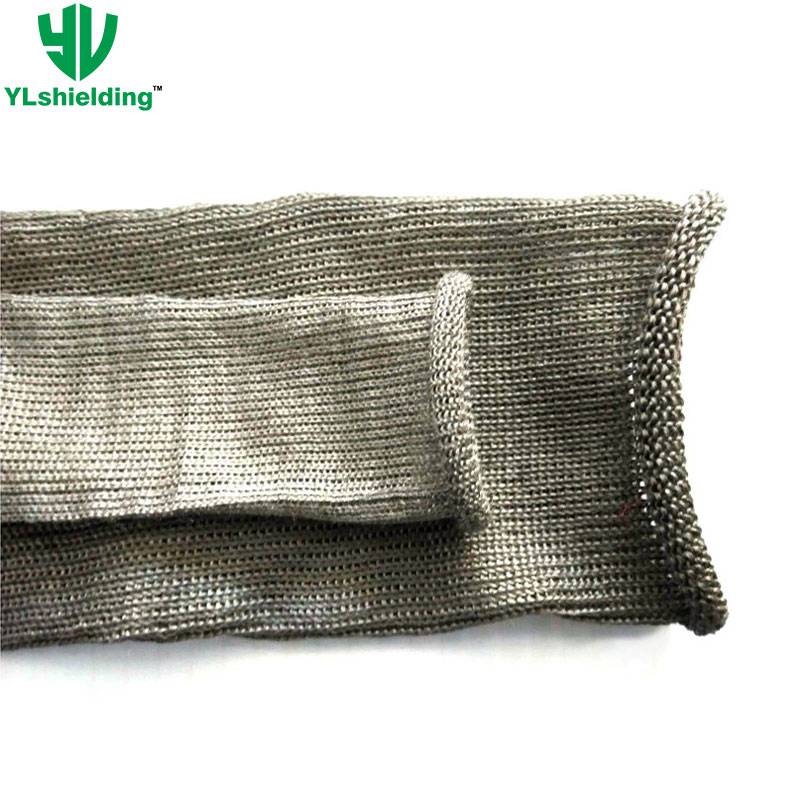
I've been working with heat-resistant textiles for over 20 years, specializing in materials serving glass production as mold cladding materials and heat resistant buffer materials. In that time, I've seen many companies struggle with material failures. A client of mine, John, a purchasing manager in Germany, faced this exact issue. He needed a reliable material for his company's stainless steel fiber knitted sleeves, as well as consistent heat resistant buffer materials and mold cladding materials supplied to glass factories across Europe. He was tired of suppliers who provided inconsistent quality. When he found us, he was relieved. He learned that not all stainless steel fabrics are the same. Understanding the details is key to making the right purchase, so let's explore what you need to know.
How Do You Choose the Right Type of Stainless Steel Fabric?
Confused by grades like 304 and 316L? Choosing the wrong one can cause your product to fail much sooner than expected. This mistake can damage your company's reputation, especially critical for glass production applications that rely on stable mold cladding materials and heat resistant buffer materials.
For most applications, 304 stainless steel is a great, cost-effective choice. It works well for indoor glass workshop mold cladding materials and general heat resistant buffer materials without salt mist exposure. But if the fabric will be exposed to salt or harsh chemicals, such as coastal glass factories or chemical tempering lines, you need 316L. It contains molybdenum, which gives it superior corrosion resistance against chlorides and acids.
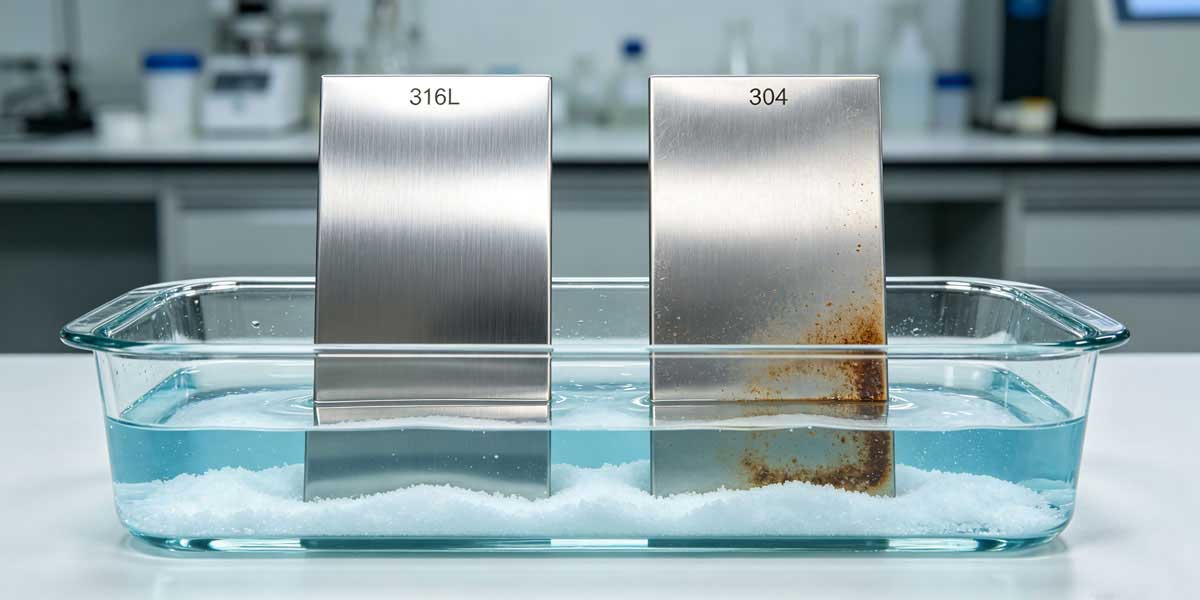
Choosing the correct grade is probably the most important decision you'll make, particularly for glass manufacturing’s mold cladding materials and heat resistant buffer materials that face sustained high-temperature and chemical erosion. I always tell my clients to think about the environment first. Where will this fabric be used? This single question guides the entire selection process. Let’s break down the most common grades to help you understand them better.
Understanding Stainless Steel Grades
The numbers refer to the specific chemical composition of the steel. Each grade offers a different balance of cost, performance, and resistance. For industrial textiles including glass production’s mold cladding materials and heat resistant buffer materials, 304 and 316L are the two you will see most often.
304 Stainless Steel: This is the workhorse of the stainless steel world. It's affordable and has great resistance to many types of corrosion. It's perfect for general-purpose applications, indoor use, environments without high levels of salt or chemicals, standard mold cladding materials and heat resistant buffer materials for inland glass processing plants, and food equipment.
316L Stainless Steel: This is the premium option. The "L" stands for "low carbon," which improves its properties after welding. The key ingredient here is molybdenum. This element dramatically increases its resistance to chlorides, which are found in seawater, de-icing salts, and many industrial chemicals. John’s company, for instance, sometimes supplies mold cladding materials and heat resistant buffer materials to glass manufacturers near the coast. For them, I always recommend 316L sleeves and woven cloth to prevent rust from the salty air.
Here is a simple table to compare them:
| Feature | 304 Stainless Steel | 316L Stainless Steel |
| Corrosion Resistance | Good | Excellent, especially against chlorides |
| Cost | Lower | Higher (approx. 20-30% more) |
| Common Use | General applications, food equipment | Marine, medical, chemical processing, glass production mold cladding materials & heat resistant buffer materials |
Making the right choice from the start saves you from future headaches and replacement costs, a vital consideration for glass manufacturers consuming large volumes of mold cladding materials and heat resistant buffer materials every day.
What Makes Stainless Steel Fabric So Strong and Flexible?
You think a strong material must be stiff and rigid, right? But for many jobs, like covering a pipe, wrapping hoses, serving as mold cladding materials or heat resistant buffer materials in hot glass forming procedures, you need something that can bend and conform without breaking.
The strength comes directly from the stainless steel fibers themselves. The flexibility comes from the manufacturing process. Weaving or knitting these strong fibers into a mesh creates a fabric structure that can bend, stretch, and wrap around objects easily—an essential trait for mold cladding materials and heat resistant buffer materials that must fit curved glass molds evenly.
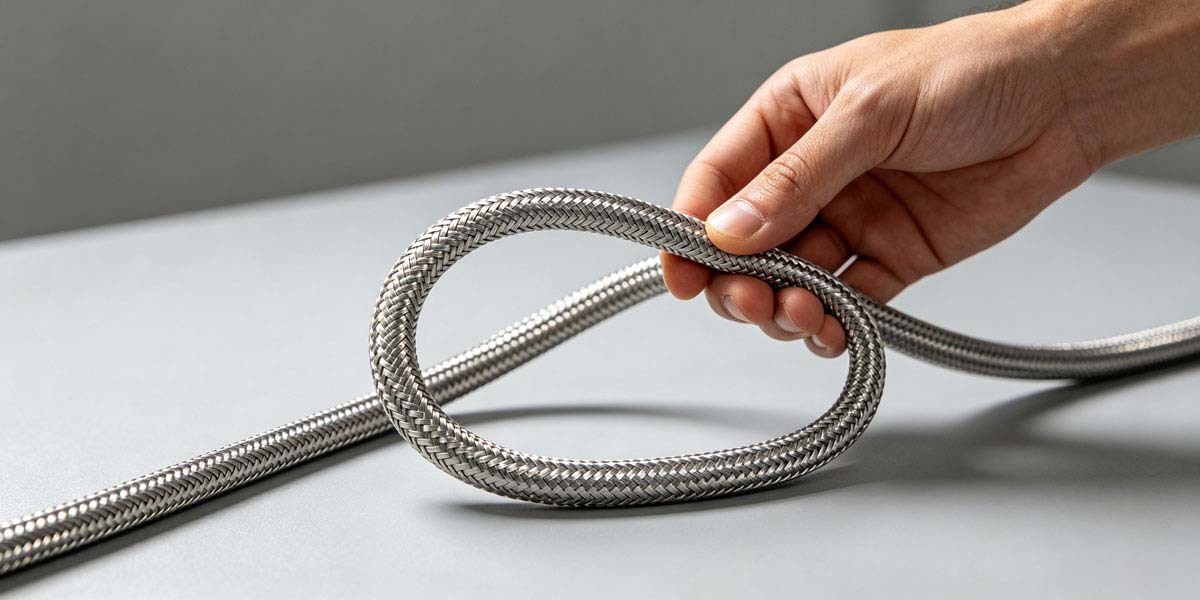
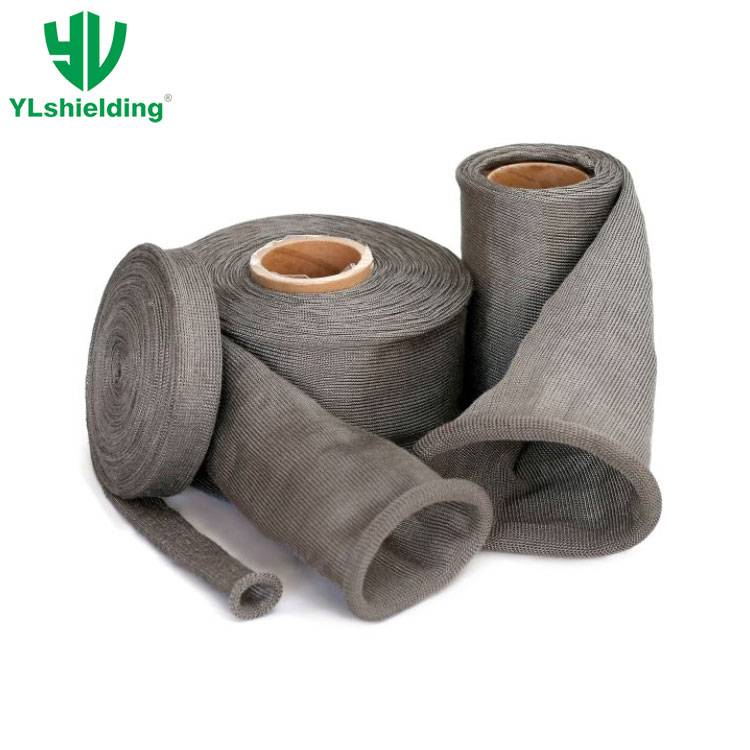
I often get questions about this. People are surprised when they hold our stainless steel knitted sleeves and woven buffer cloth for glass production. They expect something stiff like a sheet of metal, but instead, it feels like a heavy, metallic sock. This combination of properties is what makes it so useful as mold cladding materials and heat resistant buffer materials in glass manufacturing. The way the fabric is constructed is just as important as the material it's made from. There are two main methods.
The Magic of Weaving and Knitting
The structure determines how the fabric behaves. You need to choose the right one for your job, especially when ordering mold cladding materials and heat resistant buffer materials for glass product manufacturing process.
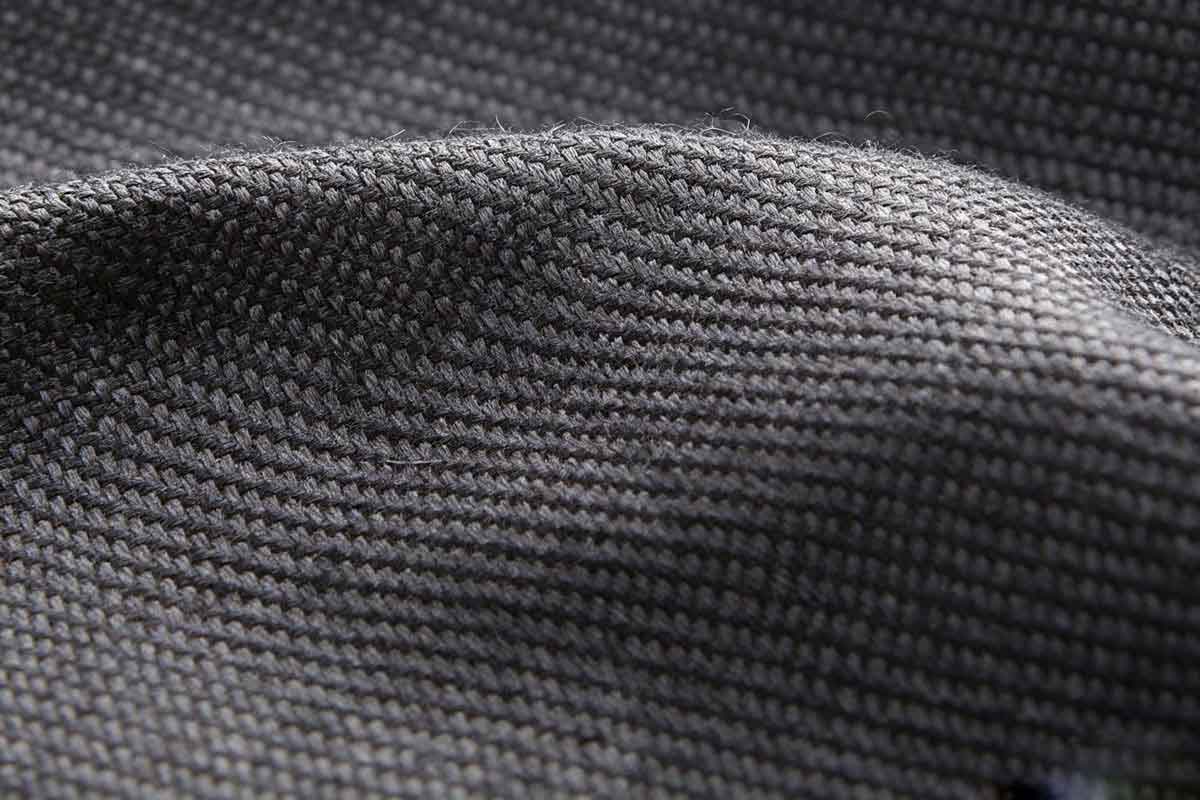
Woven Fabric: This is made by interlacing fibers over and under each other, like in a traditional cloth. This creates a very stable, strong mesh with a fixed structure. Woven fabric doesn't stretch much. It is perfect for applications like filtration screens, security mesh, flat protective barriers, flat mold cladding materials and high-temperature heat resistant buffer materials laid flat on glass forming molds where stability is more important than flexibility.
Knitted Fabric: This is made by creating a series of interlocking loops, just like in a sweater. This structure gives the fabric excellent flexibility and stretch. It's ideal for making sleeves, flexible mold cladding materials or soft heat resistant buffer materials that need to fit snugly over objects with irregular shapes, like pipes, cables, automotive exhaust components, and contoured glass molds. This is the type of material John purchases from me for his clients, including knitted heat resistant buffer materials and wrap-style mold cladding materials exported to European glass factories. The knitted sleeves and buffer cloth can expand to fit over a connection or curved mold surface and then contract to form a tight, protective seal.
Here’s how they stack up:
| Property | Woven Fabric | Knitted Fabric |
| Flexibility | Low | High |
| Stability | High | Medium |
| Best Use Case | Flat screens, filters, rigid guards, flat mold cladding materials & heat resistant buffer materials for planar glass molds | Sleeves, gaskets, flexible connectors, curved mold cladding materials & elastic heat resistant buffer materials for contoured glass products |
Understanding this difference ensures you get a product that not only lasts but also fits and functions perfectly for its intended purpose, whether used as filtration media, or core mold cladding materials and heat resistant buffer materials in glass product manufacturing process.
Are There Hidden Costs When Sourcing Stainless Steel Fabric?
You found a supplier with a very low price. It seems like a great deal. But be careful. Hidden problems with quality or paperwork can end up costing you much more in the long run, which hits glass manufacturers particularly hard since mold cladding materials and heat resistant buffer materials are continuous consumables on production lines.
Yes, hidden costs often come from poor quality control. This includes inconsistent fiber diameter, the wrong steel alloy, or incorrect customs documents. These issues can cause product failure, production stops, major shipping delays, and frequent replacement of mold cladding materials and heat resistant buffer materials in glass workshops.

This is something I've helped many clients with, including John. His job is not just to buy the product, but to make sure it arrives on time with the right quality and paperwork—critical for bulk shipments of mold cladding materials and heat resistant buffer materials bound for European glass manufacturers. A cheap price is useless if the container is stuck at the port or if the material fails after just a few weeks, forcing glass production lines to halt for lack of qualified heat resistant buffer materials and mold cladding materials. You must look beyond the initial price tag.
Looking Beyond the Price Tag
When you source stainless steel fabric, including bulk mold cladding materials and heat resistant buffer materials for glass production, you need a supplier you can trust. A good partner is transparent and focuses on quality. Here are three things you must check:
1. Fiber Consistency: The diameter of the steel fibers used to make the fabric must be uniform. If some fibers are too thin, they create weak spots. This can lead to the fabric tearing or failing under pressure or heat—catastrophic for mold cladding materials and heat resistant buffer materials operating at glass forming temperatures. I always ensure our production lines use laser micrometers to check the fiber diameter constantly. This guarantees a consistent and reliable final product suitable for long-term glass manufacturing use.
2. Alloy Verification: How do you know you are really getting 316L when you paid for it? A dishonest supplier might use a cheaper grade like 304 to save money, which will rapidly degrade mold cladding materials and heat resistant buffer materials in coastal or chemical glass production environments. The only way to be sure is to ask for a Mill Test Certificate (MTC). This document shows the exact chemical composition of the steel. For critical glass production orders of mold cladding materials and heat resistant buffer materials, I even arrange for third-party testing to verify the material.
3. Correct Documentation: This is crucial for international trade. For my client John in Germany, having the correct Harmonized System (HS) codes, certificates of origin, and MTCs is non-negotiable for all shipments, including large consignments of mold cladding materials and heat resistant buffer materials for glass factories. One small error on a document can cause customs to hold the shipment for weeks, creating huge delays and extra costs that pause glass molding operations entirely. I always double-check every single document before my shipments leave the port.
A reliable supplier doesn't just sell you a product. They provide peace of mind. They ensure what you ordered is exactly what you get, whether filtration cloth, mold cladding materials or heat resistant buffer materials for glass product manufacturing process, and that it arrives without any trouble.
Conclusion
Stainless steel fabric is a strong, flexible, and reliable material with versatile industrial value, serving as filtration media, mold cladding materials and heat resistant buffer materials throughout the glass product manufacturing process. By choosing the right grade and construction, and by working with a trustworthy supplier, you can avoid hidden costs and ensure stable, long-term performance for all your industrial applications, especially continuous glass production relying on durable mold cladding materials and heat resistant buffer materials.
Copyright ©2026 Hebei Yuanlong Textile Technology Co., Ltd. All Rights Reserved | Sitemap Privacy Policy Terms & Conditions